
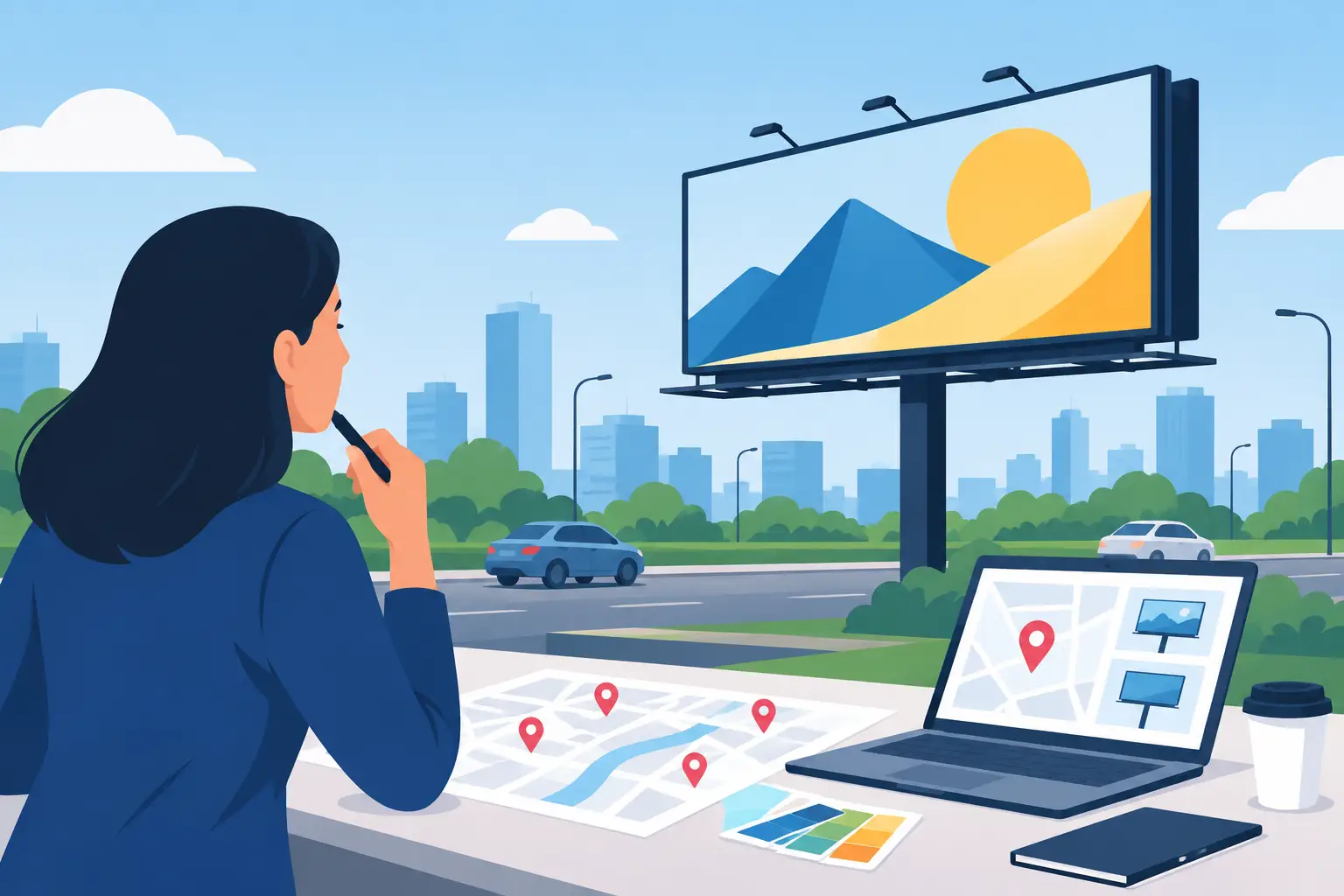

A billboard has only seconds to make an impression, but the planning behind it determines whether those seconds build recognition, drive traffic, or disappear into the commute. Knowing how to plan billboard campaigns starts with more than choosing a sign. It means matching the right message, location, timing, and creative to the people most likely to become customers.
For businesses across Central Florida, outdoor advertising can create the repeated visibility that crowded digital feeds and short radio spots often struggle to deliver. The strongest campaigns feel simple to the audience because the strategy behind them is disciplined.
Start With One Clear Business Goal
A billboard can support many objectives, but one campaign should have a primary job. A new restaurant may need to announce an opening and establish familiarity on a nearby commuter route. A law firm may want to stay top of mind across a broad service area. A regional healthcare provider may need to build trust and awareness before patients need care.
Define what success should look like before reviewing locations. That goal could be more store visits, stronger name recognition, calls, website traffic, event attendance, or support for a larger media launch. The answer influences every decision that follows, including the market, message, campaign length, and call to action.
Avoid trying to make one board do everything. A message that promotes a sale, explains several services, introduces a brand story, and asks for a website visit usually asks too much of a driver. Focus earns attention.
Define the Audience by Where They Travel
Billboard planning is location-based marketing. Rather than starting with broad demographic labels alone, consider where your best customers live, work, shop, vacation, and commute. A strong location places your brand in front of people when that message has context.
For example, a family entertainment business in Orlando may prioritize routes used by tourists and local families heading toward attractions. A home services company serving Lakeland and Winter Haven may need coverage near residential corridors and daily commuter traffic. A brand with a Davenport location may benefit from visibility on roads connecting growing neighborhoods, visitor destinations, and retail centers.
Ask practical questions: Are you trying to reach residents, visitors, commuters, or business travelers? How far will customers realistically travel? Do they make quick decisions, or do they need repeated exposure over time? These answers turn a broad service area into a useful campaign map.
Reach and frequency work together
Reach is the number of people who may see your campaign. Frequency is how often they are likely to see it. Both matter, but the ideal balance depends on your goal.
A wide regional launch may call for several locations that build reach across key Central Florida markets. A local business with a tighter service radius may get better results from fewer signs positioned along the same high-value travel patterns. Repetition helps a brand become familiar, while coverage helps it become visible to new audiences. A good plan does not chase traffic volume alone. It invests in traffic that matters to the business.
Choose Billboard Locations for More Than Impressions
Impressions are an essential part of outdoor media planning, but they are not the entire story. A high-traffic billboard is valuable when its audience, direction of travel, visibility, and proximity to your business support the campaign objective.
Look at whether the board faces inbound or outbound traffic, how long drivers have to see it, and what else competes for attention nearby. Consider the physical journey. A sign promoting a destination business can work well ahead of the exit or turn a customer needs to make. A service brand may perform best on a heavily traveled route where commuters see it several times each week.
Digital billboards offer added flexibility for time-sensitive offers, multiple messages, and rapid creative updates. Static bulletins deliver a constant brand presence that can become part of a daily drive. Neither format is automatically better. It depends on whether the campaign needs permanence, flexibility, broader message rotation, or a combination of both.
Build a market plan, not a collection of signs
Multiple billboards should work together. If you are buying more than one location, assign each board a role within the customer journey. One may introduce the brand on a major freeway, another may reinforce the offer near a retail district, and a third may remind customers as they enter a service area.
This approach prevents wasted overlap while still creating the repetition that makes outdoor advertising memorable. It also makes it easier to expand. Start with the routes that matter most, then add coverage as the business grows into adjacent markets such as Ocala, Sebring, or other parts of Central Florida.
Keep the Creative Fast, Bold, and Easy to Remember
The most effective billboard creative respects the viewing environment. Drivers are moving. Passengers are distracted. Your message should be understandable at a glance, not something people need to study.
Use a clear headline, a dominant visual or recognizable logo, and one direct action when appropriate. Large type, high contrast, and a clean layout give the message room to work. If your brand has a short, memorable phone number, web address, or location cue, include it only when it supports the goal. For many awareness campaigns, a strong brand name and simple benefit are more valuable than a crowded set of details.
A useful test is to view the design briefly from a distance. Can someone understand the brand, the core promise, and the next step in five seconds or less? If not, simplify it.
Creative should also match the location. A board near a business may use a directional cue or proximity message. A board on a longer commute can build brand familiarity with a confident, benefit-led statement. Seasonal creative can create urgency, but core brand campaigns often benefit from running long enough for the message to stick.
Set a Timeline That Supports Recall
Outdoor advertising gains strength through consistency. A short campaign can help promote a grand opening, event, or limited-time offer, but it may not provide enough repetition to build lasting awareness. For most brand-building efforts, a longer runway gives drivers more opportunities to notice, process, and remember the message.
Plan around business realities. Consider product launches, seasonal demand, local events, tourism peaks, hiring needs, and promotional windows. A tax preparation firm has different timing needs than an HVAC company or an attraction competing for visitor attention.
Leave time for creative development, approvals, production, and installation. Digital campaigns can move quickly, while static campaigns require production coordination. Planning early protects your preferred locations and keeps a valuable campaign from being rushed at the finish line.
Make Your Billboard Part of the Larger Marketing Mix
Billboards are powerful on their own, but they also improve the performance of other channels. When people see your brand repeatedly on the road, they are more likely to recognize it later in search results, social ads, streaming audio, direct mail, or a local sponsorship.
Keep the campaign message consistent across those channels. The same offer, visual identity, and wording should feel connected, even if each format uses a different amount of detail. Outdoor media creates the familiarity; digital and direct-response channels can capture the action when customers are ready.
For campaigns with a specific response goal, use trackable elements thoughtfully. A dedicated landing page, memorable vanity URL, unique phone number, or location-specific offer can provide useful signals. Still, do not judge a billboard only by last-click conversions. Outdoor often influences the searches, visits, and purchases that happen later through another channel.
Review Performance and Improve the Next Flight
Before launch, establish a simple measurement plan tied to your original goal. Monitor website traffic trends, branded search activity, call volume, store visits, lead quality, promotional redemptions, and sales by market where possible. Compare performance during the campaign with historical patterns, while accounting for seasonality and other marketing activity.
Then ask what the data and the market are telling you. Did one location align especially well with a sales territory? Did a simple brand message outperform a detailed offer? Did a digital rotation reveal a stronger headline or time of day? These lessons make the next campaign more efficient.
The best outdoor plans are not set-and-forget purchases. They are managed investments that get sharper as you learn which routes, messages, and markets move the business forward.
A full-service partner can make that process easier, from selecting the right Central Florida locations to developing creative and managing production. Orlando Outdoor helps brands turn local traffic into sustained visibility, so your next billboard campaign can start with a clear destination and a message people remember.